If you’re pregnant, newly postpartum, or staring at a frozen placenta in your freezer thinking, okay…now what am I supposed to do with this? — I get it. 😂
I kept my daughter’s placenta because I knew I didn’t want to simply throw it away, but I also didn’t have some elaborate plan for it right away. Eventually I decided I wanted to return it to the earth in a way that felt meaningful to me.
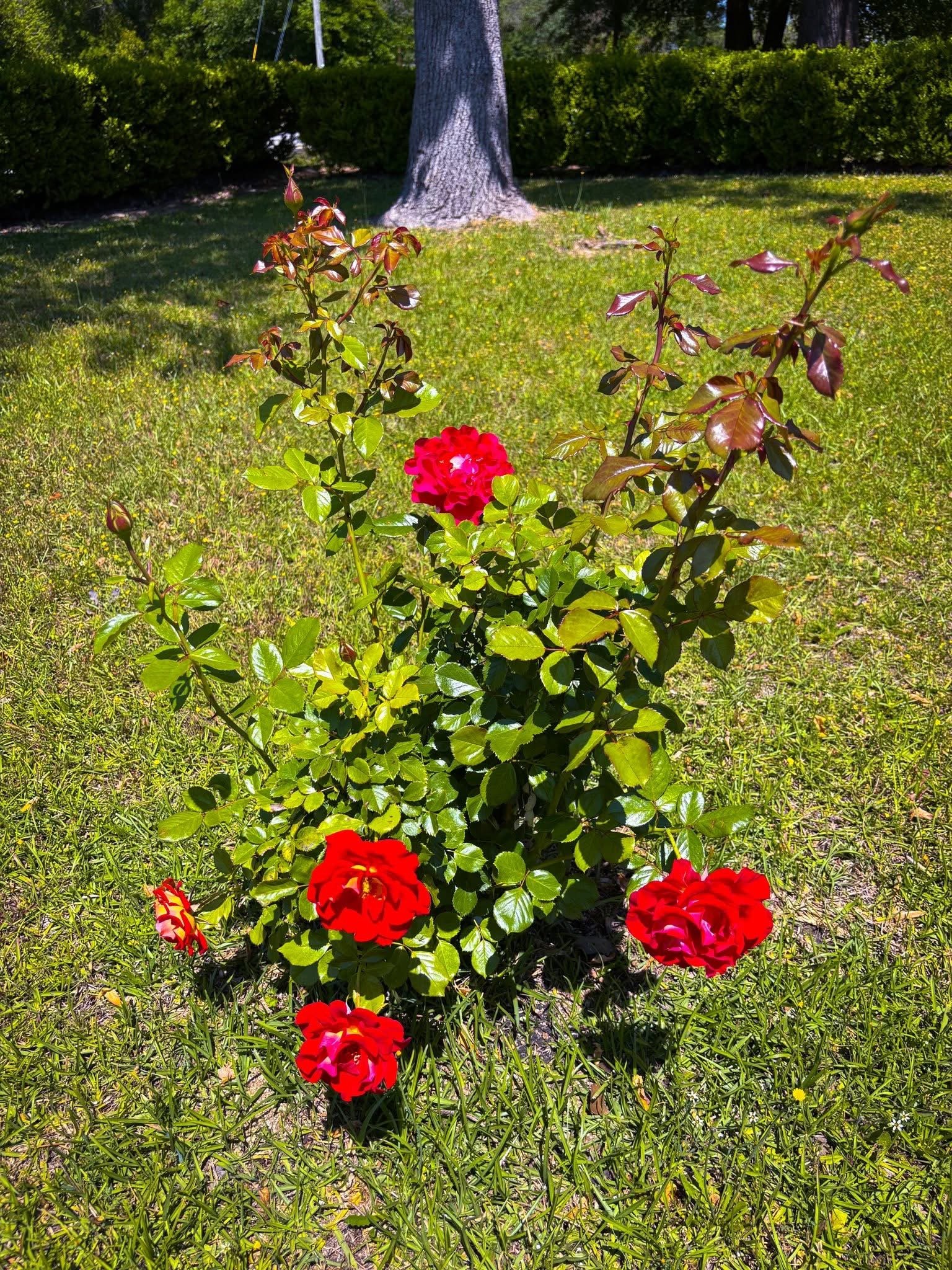
So I planted it in my garden beneath a Ketchup & Mustard rose that I chose specifically for my daughter.
At the time, I was mostly thinking about the symbolism of it: something that supported her life before she was born becoming part of something that could keep growing with her afterward. What I didn’t expect was how much I would end up learning from the project — including what happened when I tested the soil later.
What Can You Do With Your Placenta After Birth?
There are a lot of reasons someone might decide to keep a placenta after birth. Some people have it encapsulated, some make placenta prints or other keepsakes, some eventually dispose of it, and some choose to bury it beneath a tree or another meaningful plant.
For me, planting it made the most sense.
I garden. I like growing things that have a story behind them. And I loved the idea that my daughter could have a plant that was truly hers — not because I bought it and slapped her name on it, but because a piece of her beginning was literally returned to the soil beneath it.
Why I Chose a Ketchup & Mustard Rose
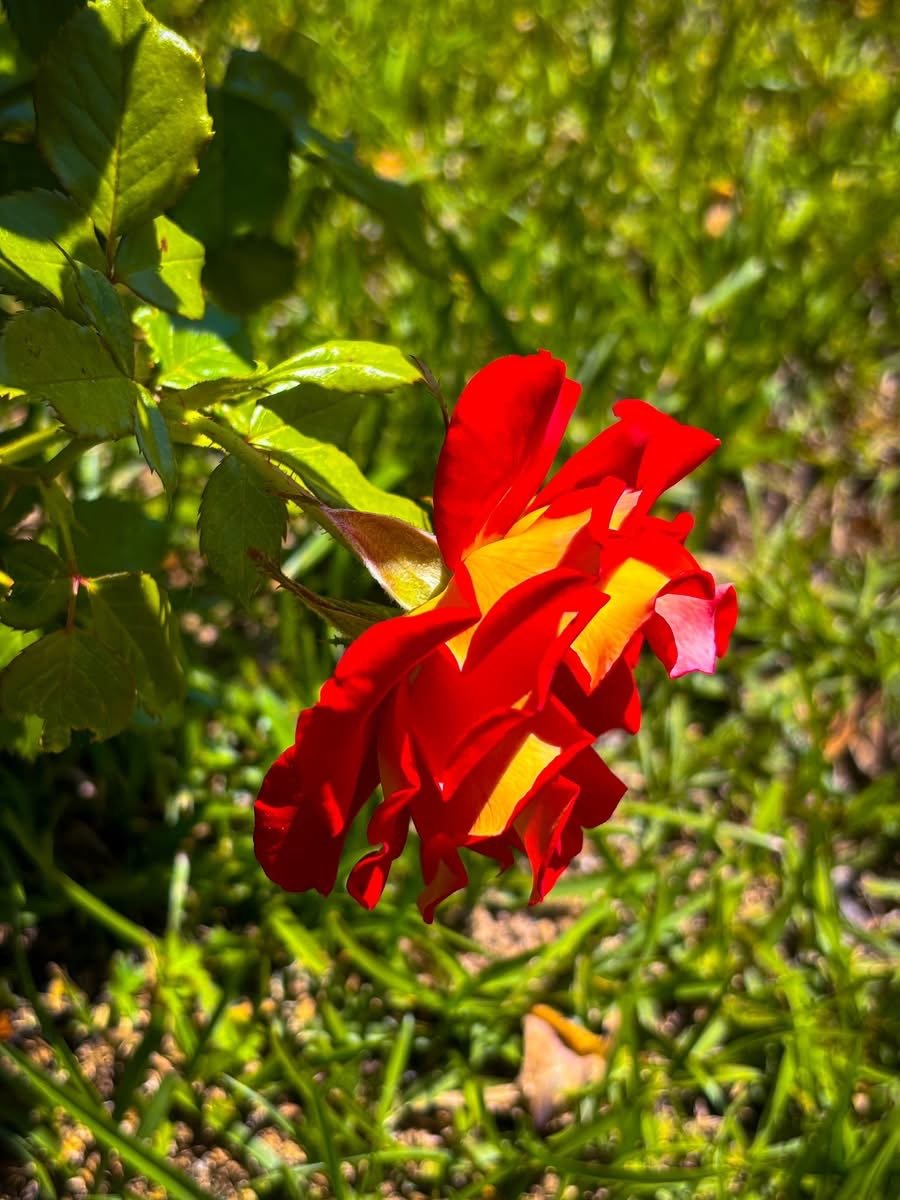
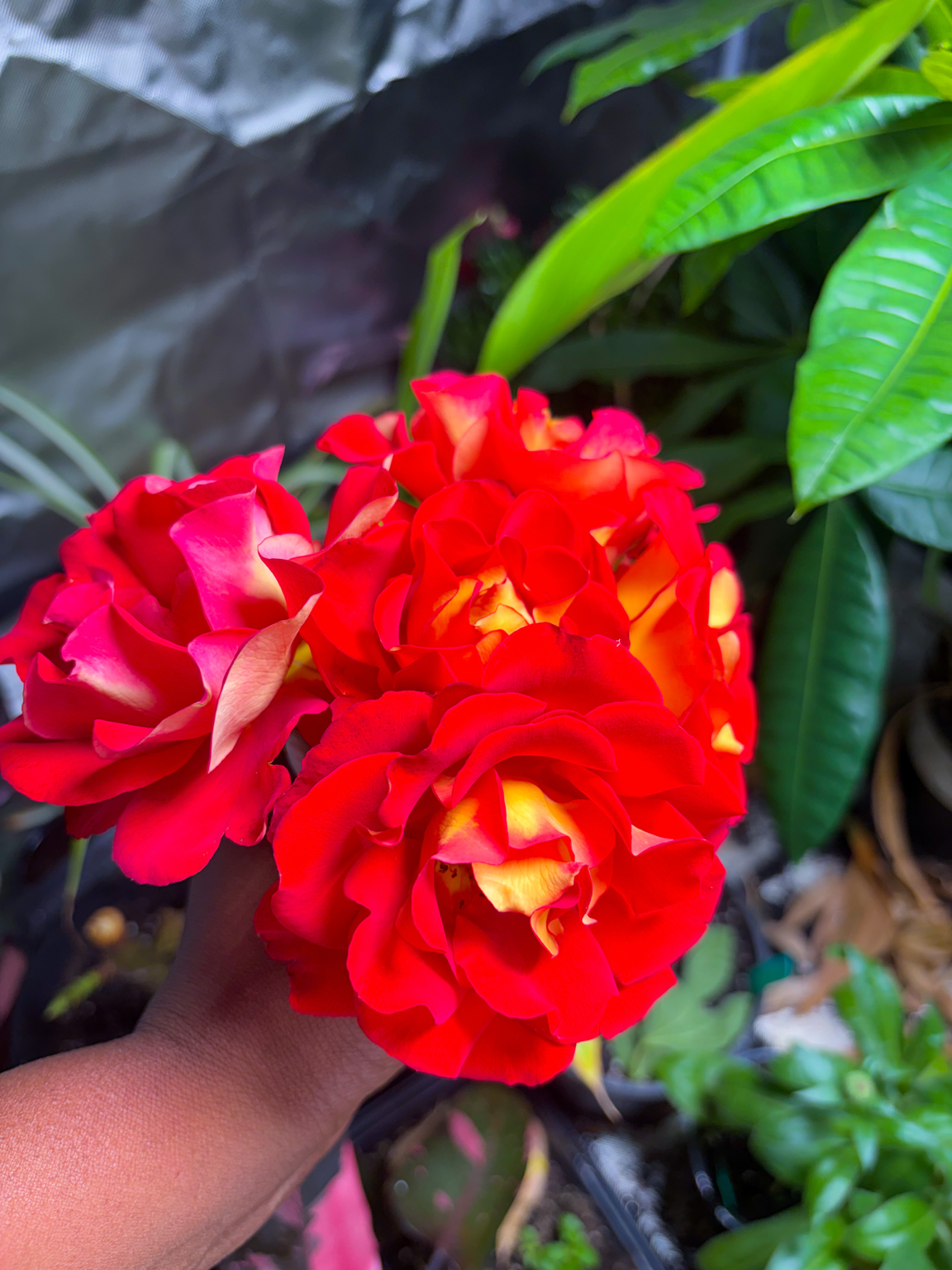
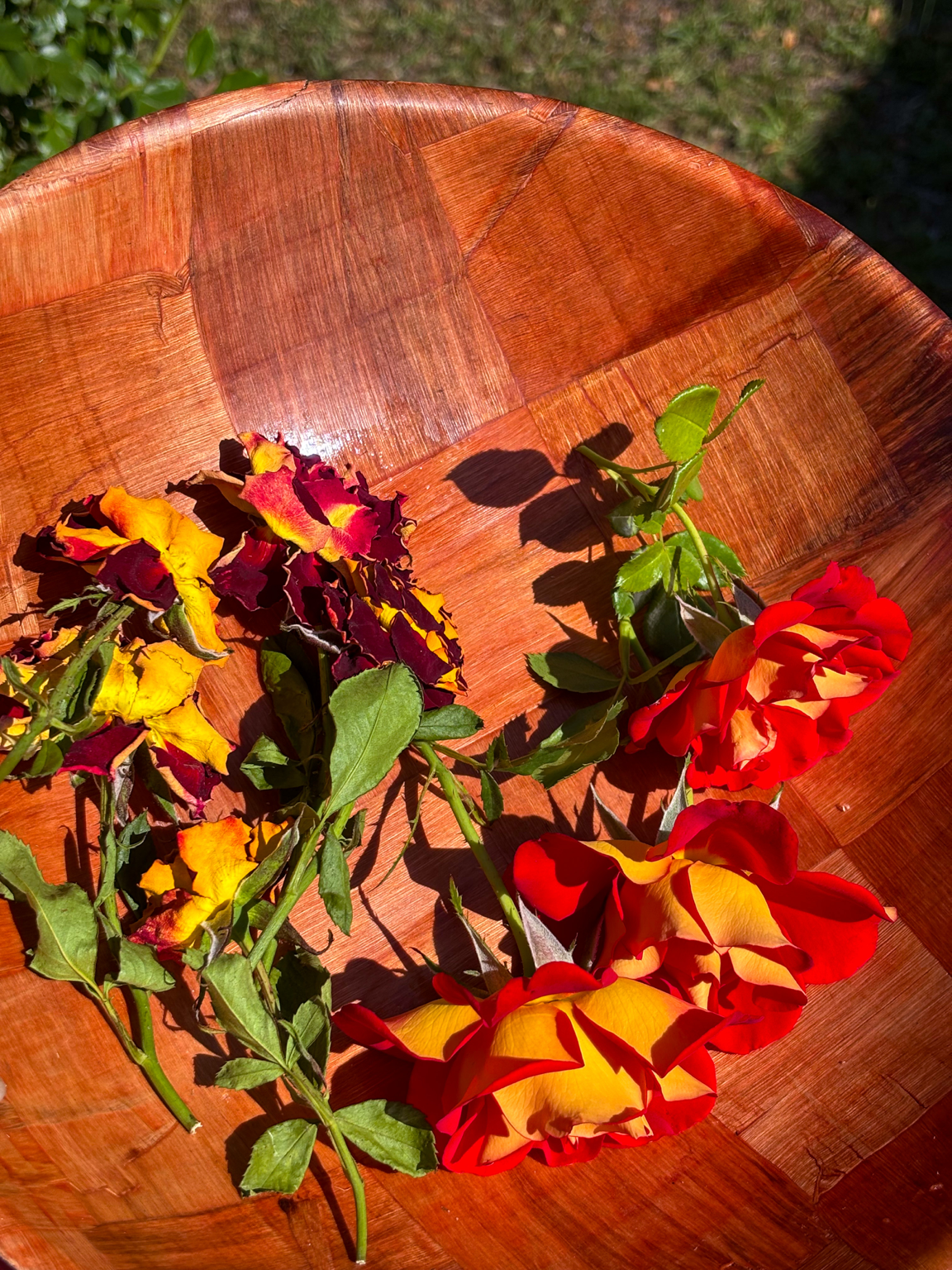
If you’ve never seen a Ketchup & Mustard rose before, the name makes a lot more sense once it blooms. The petals are a rich red on one side with warm yellow underneath, so the flowers can look dramatically different depending on the angle and how far they’ve opened.
It is not a delicate-looking little flower. It is bold, colorful and a little dramatic — which made me love it even more for this project.
I wanted my daughter to eventually be able to walk outside and know, that is my rose.
How I Planted My Daughter’s Placenta in the Garden
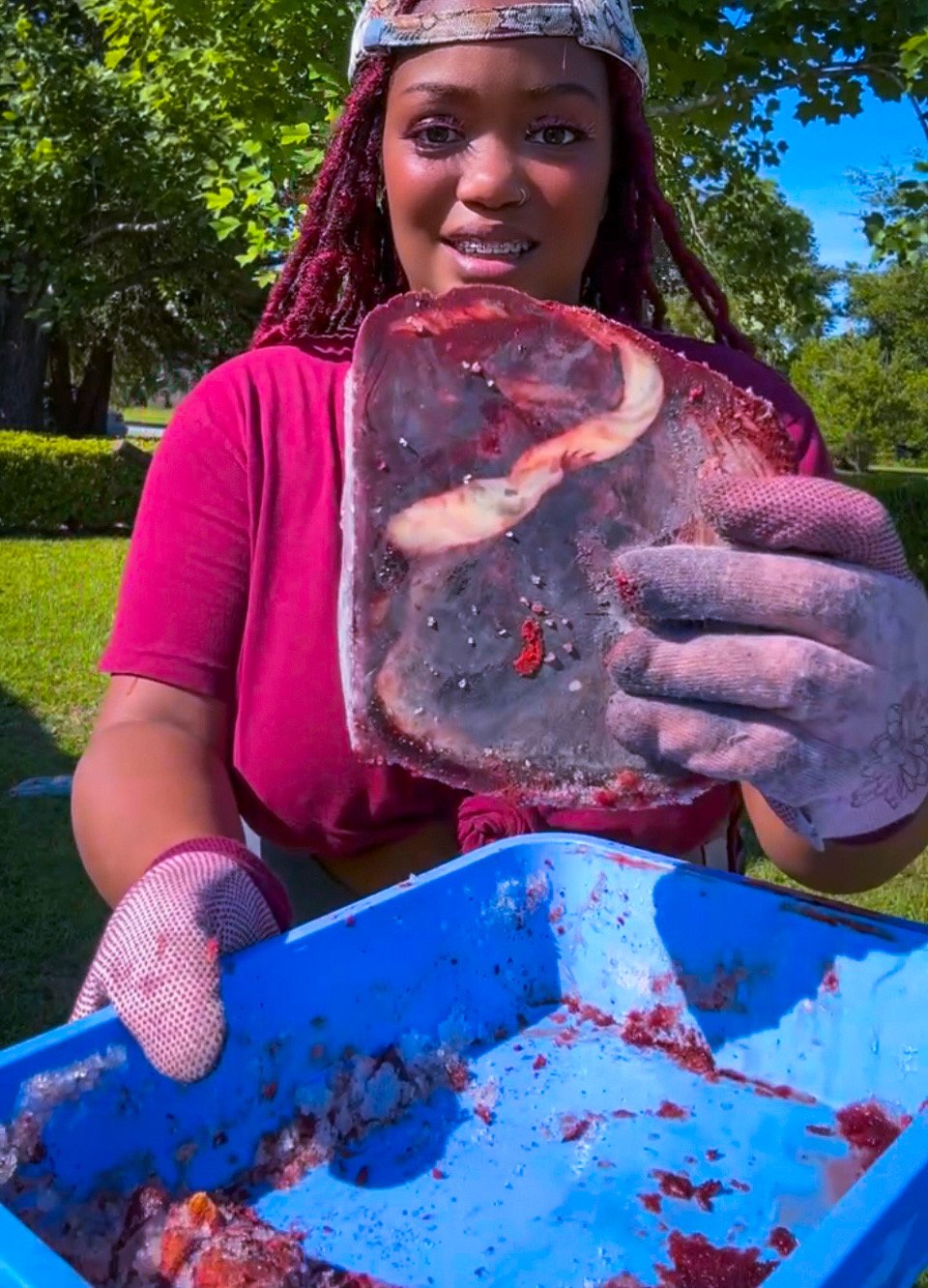
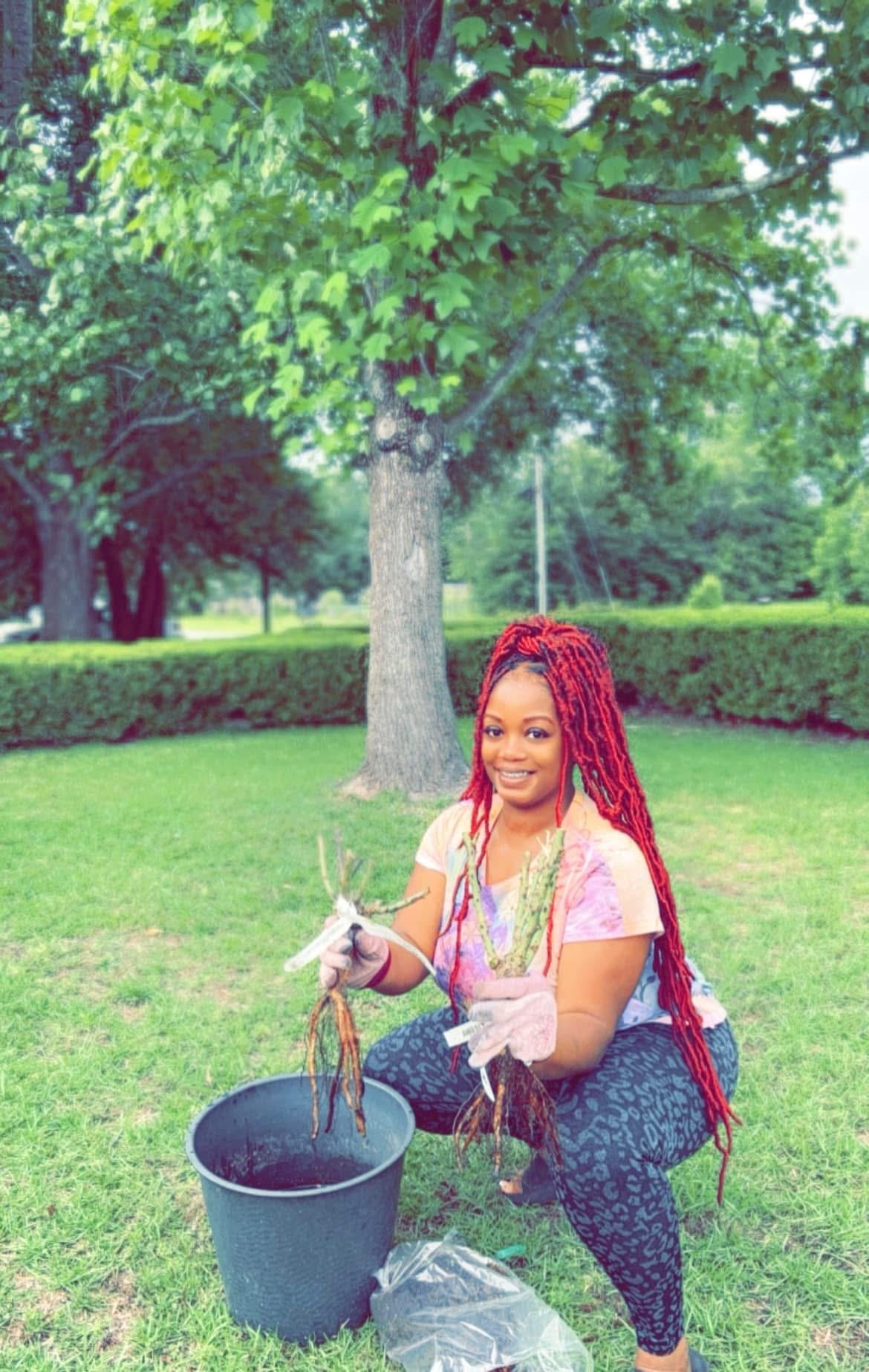
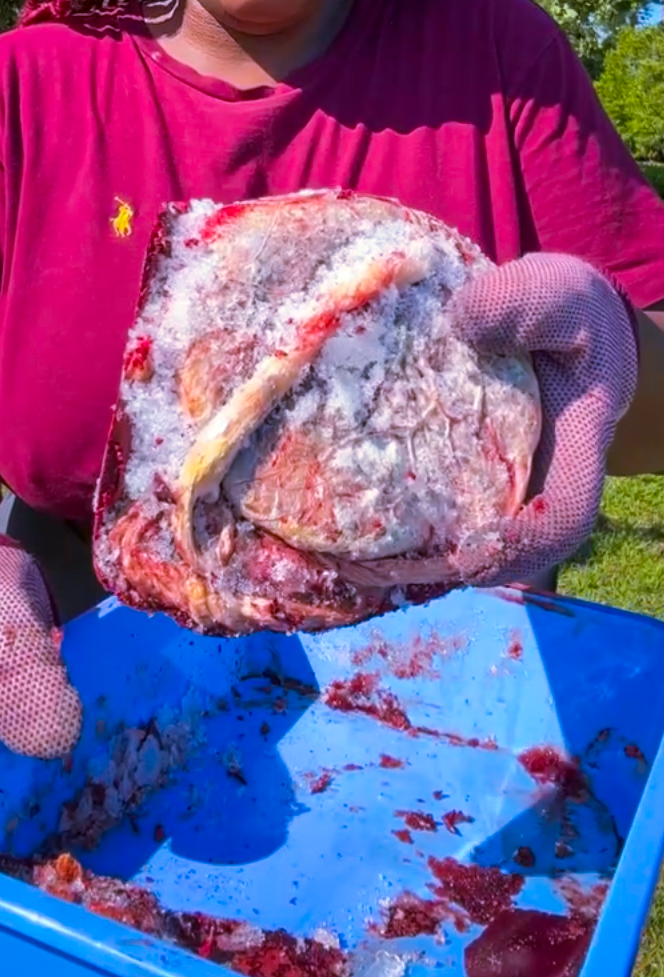
I planted the rose as a bare-root plant during the summer of 2024. The placenta had been frozen, so when I was finally ready to do the project, I already had everything I needed waiting for me.
I dug a hole roughly 15 inches deep and at least 15 inches wide. I wanted enough room to bury the placenta, create separation between it and the rose’s roots, and still give those roots plenty of good soil to establish themselves in.
The frozen placenta went into the bottom of the hole. Over it, I added a thick layer of my homemade compost — roughly what would fill a 5-gallon grow bag. My compost had worms working through it, which I considered a bonus because I wanted an active, living soil environment doing what soil does best: breaking organic material down.
Then I positioned the rose above that compost layer and backfilled around it with the soil mix I was using at the time, including organic gardening soil, perlite and worm castings.
I also used a mycorrhizal product. One thing I wrote incorrectly in my original Facebook post was that mycorrhizae were beneficial bacteria. They’re actually beneficial fungi. I had forgotten to apply the product directly around the roots during planting, so I mixed the product I had into rainwater and watered the planting afterward. If you use a mycorrhizal inoculant, follow the directions on your specific product rather than copying my measurement automatically.
Then I watered the rose in and waited.
I Planted It Late — and the Rose Still Took Off
Because I planted in summer, the rose didn’t have some long, perfect spring season to settle in. That was one reason I was so impressed by how well it established itself.
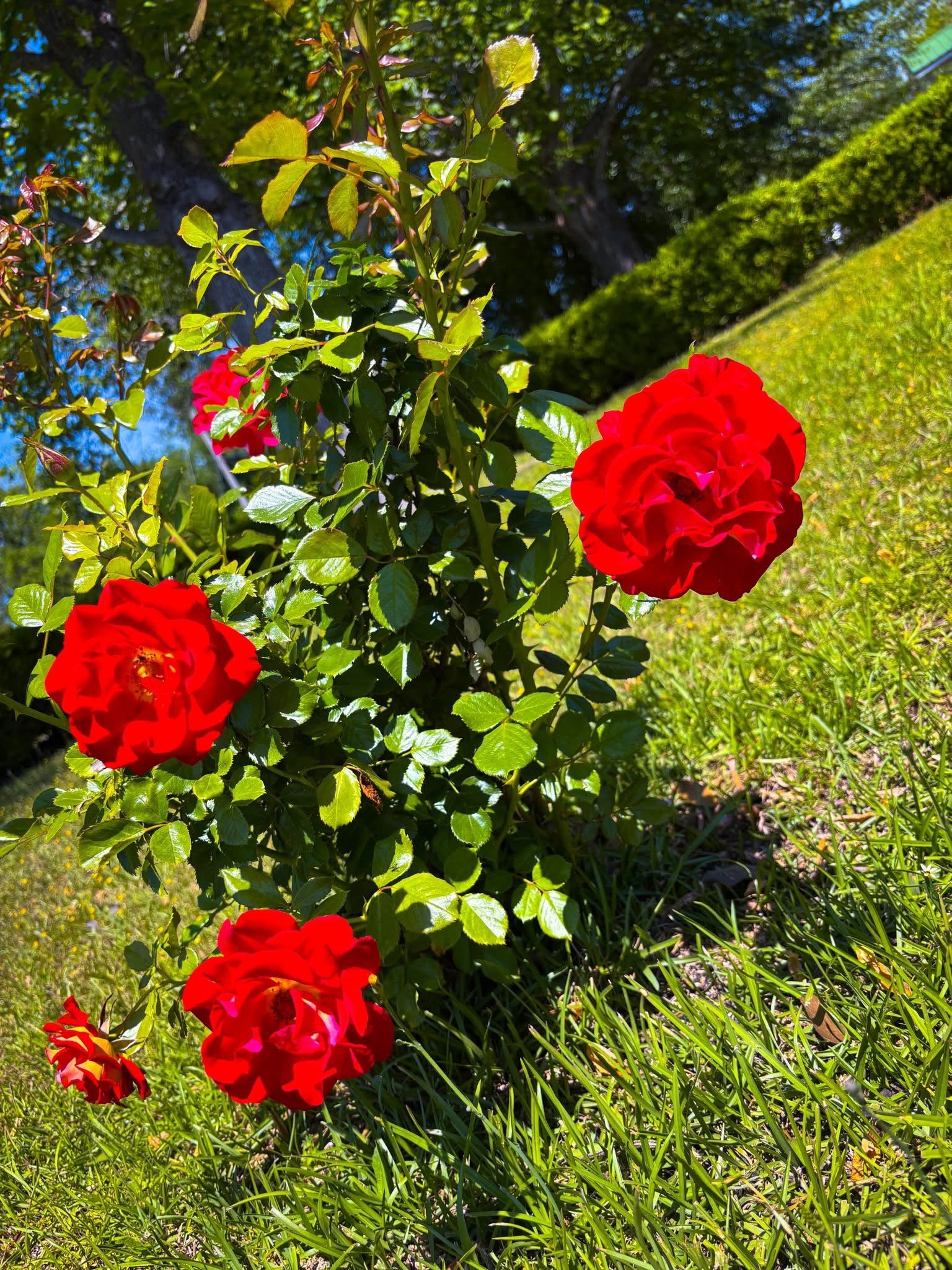
Once it got going, it really got going.
The plant filled out, pushed new growth and started giving me these gorgeous red-and-yellow flowers. Eventually I was able to cut handfuls of blooms from a plant that had started as a bundle of bare roots in my hands.
What Happened to the Soil?
This was the part that made the gardener in me especially curious.
I didn’t want to look at a healthy rose and automatically say, “Well, the placenta did that.” There were several things in that planting hole — compost, worm castings, the soil mix, mycorrhizal fungi, water, and of course the placenta itself.
So later, I tested the soil around the rose.
The soil there tested as highly nutritious compared with the surrounding soil.
That result was fascinating to me because one of the reasons I liked the idea of burying the placenta was knowing that it would decompose and become part of that soil. I can’t separate the placenta from every other amendment I used and tell you exactly which percentage of that fertility came from which ingredient, but I can tell you what I actually observed: the planting area was richer than the soil around it, and the rose thrived.
Would I Tell Someone Else to Plant Their Placenta?
If somebody came to this post because they were searching for what to do with a placenta after birth, I wouldn’t tell them that planting it is the only meaningful choice.
But if you already love the idea of returning it to the earth, I completely understand why.
I would think carefully about the permanent location, the plant you choose, how much room that plant will need as it matures, drainage, your existing soil, and whether pets or wildlife are likely to dig in the area. I would also make sure there is plenty of soil or compost separating fresh organic tissue from young roots rather than laying delicate roots directly against it.
And I would choose the plant for more than looks. Pick something you actually want to care for years from now, because that is what makes the whole idea special.
Save This Placenta Planting Idea for Later
If you’re considering what to do with your placenta after birth and love the idea of returning it to the earth, save this post so you can come back to my planting process and see how my daughter’s rose turned out.
Now It’s More Than a Rose Bush
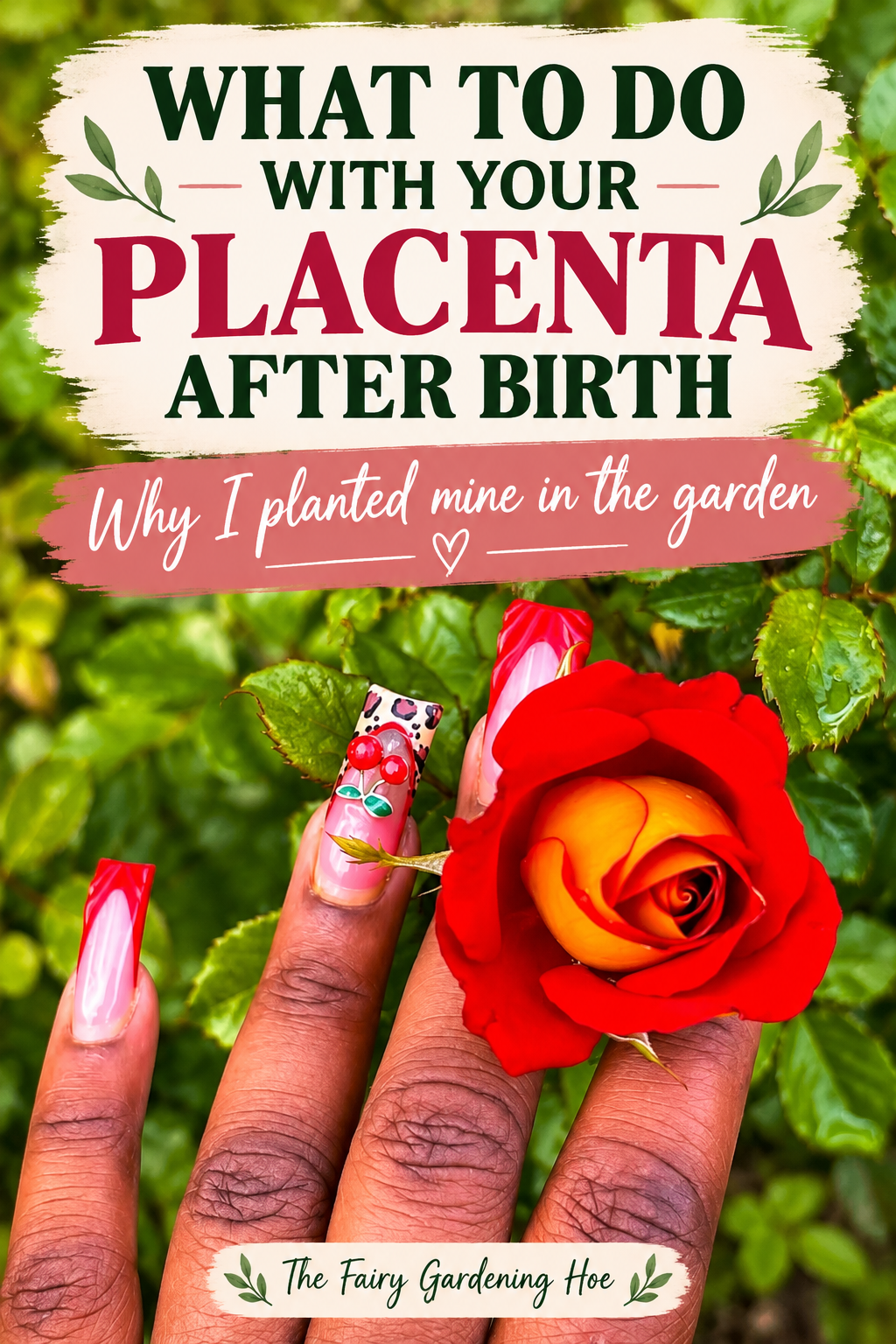
I’ve cut flowers from this rose. I’ve watched some blooms open bright red and yellow and others deepen as they age. I’ve brought them inside, photographed them, let some of them dry, and watched the bush come back and bloom again.
But I still think about what I wrote when I first planted it: I couldn’t wait for my daughter to be old enough to actually enjoy it.
That is still the whole point.
The rose is beautiful. The soil results were interesting. The garden experiment absolutely satisfied the part of my brain that always needs to know, but what happens if I try this? 😂
But more than any of that, this is something I planted for her.
A placenta that once helped support her before birth is now buried beneath a rose that can keep growing beside her afterward.
And I think that’s pretty special. ❤️